acilyoldayardim.com / Journal
Comprehensive Guide to Multiplayer Game Development: Unlocking Gaming Success with PingleStudio
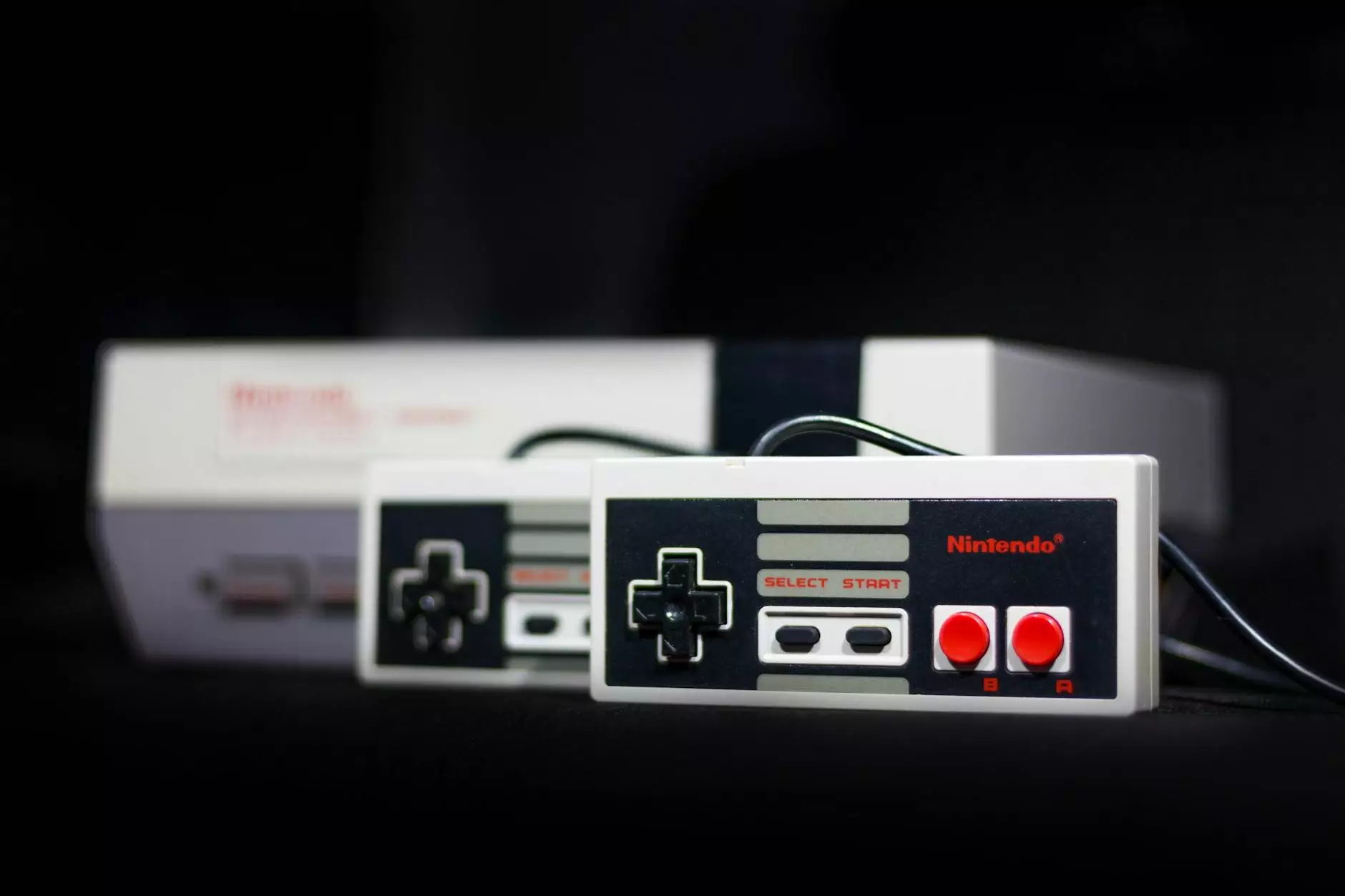
The gaming industry is experiencing an unprecedented surge, driven by innovations in technology, increasing consumer demand for interactive experiences, and the globalization of entertainment content. Among the various genres, multiplayer game development stands out as a transformative approach, enabling players worldwide to connect, compete, and collaborate in real-time. As a leading Game Development Outsourcing Company, PingleStudio specializes in delivering exceptional multiplayer game solutions that shape the future of gaming. This article provides an in-depth exploration of the critical aspects of multiplayer game development, its evolving landscape, and how outsourcing partnerships can escalate your gaming projects.
Understanding Multiplayer Game Development: The Backbone of Modern Gaming
Multiplayer game development involves creating games that support multiple players interacting within a shared environment. Unlike single-player games, multiplayer titles demand sophisticated architecture, real-time communication, and robust networking capabilities. These components enable players to engage seamlessly, regardless of geographical boundaries, offering a dynamic experience that fosters community building and competitive spirit.
Core Components of Multiplayer Game Development
- Networking Architecture: Establishes how data is transmitted between players, requiring reliable protocols like TCP/IP or UDP for real-time interactions.
- Server Infrastructure: Provides the backbone for managing game sessions, matchmaking, and data synchronization. Choosing between dedicated servers, peer-to-peer networks, or cloud solutions is vital.
- Game Mechanics and Logic: Designing gameplay rules that function correctly across multiple users, ensuring fairness and smooth gameplay.
- Real-Time Communication: Implements low-latency data transfer to minimize delays and provide a responsive gaming experience.
- Security Measures: Protects against cheating, hacking, and data breaches, maintaining trust and integrity within the game environment.
The Evolution of Multiplayer Games: From Local Co-op to Global Connectivity
Historically, multiplayer gaming began with local co-op and LAN-based games. As internet technology advanced, multiplayer modes expanded to online multiplayer platforms, leading to massive multiplayer online (MMO) games, battle royale formats, and social gaming experiences. Today, multiplayer game development incorporates cutting-edge innovations such as cloud gaming, cross-platform play, and augmented reality (AR), altering how players engage with digital worlds.
Key Milestones in Multiplayer Gaming
- Early LAN Games: Titles like "Doom" and "Quake" introduced networked multiplayer experiences at LAN parties.
- Online Multiplayer Emergence: Platforms like Xbox Live and PlayStation Network made online multiplayer mainstream.
- Massively Multiplayer Online Games: Games such as "World of Warcraft" fostered global communities and persistent worlds.
- Battle Royale and Esports: Phenomena like "Fortnite" and "League of Legends" elevated multiplayer gaming to entertainment industries and competitive sports.
- Cross-Platform Multiplayer: Technologies enabling players on different devices to interact seamlessly.
Challenges in Multiplayer Game Development and How to Overcome Them
Developing multiplayer games presents unique challenges that require strategic planning, technical expertise, and innovation. Addressing these challenges effectively can make the difference between a successful multiplayer title and one that struggles with lag, security issues, or poor player retention.
Major Challenges and Solutions
- Latency and Lag: Critical for real-time responsiveness. Solution: Utilize geographically distributed servers, optimized networking code, and real-time data synchronization techniques.
- Scaling Infrastructure: Supporting growing user bases. Solution: Cloud services like AWS or Azure enable scalable, flexible server resources.
- Cheating and Security: Maintain fair play. Solution: Implement anti-cheat systems, encryption, and secure authentication protocols.
- Matchmaking and Community Management: Ensures balanced gameplay. Solution: Develop intelligent algorithms and active moderation tools.
- Device Compatibility and Cross-Platform Play: Broaden accessibility. Solution: Adopt flexible development frameworks supporting multiple platforms.
How Outsourcing Multiplayer Game Development with PingleStudio Elevates Your Project
Partnering with a reputable Game Development Outsourcing Company like PingleStudio offers unparalleled advantages in delivering high-quality multiplayer games. Outsourcing allows you to access a wealth of industry expertise, cost-effective solutions, and cutting-edge technology that can drastically reduce development time and enhance game quality.
Why Choose PingleStudio for Multiplayer Game Development?
- Expertise in Multiplayer Architecture: Our team specializes in designing scalable, secure, and optimized multiplayer architectures tailored to your game’s needs.
- Experience with Diverse Game Genres: From MMORPGs to battle royale shooters, our portfolio covers a broad spectrum of multiplayer titles.
- Advanced Technologies: Leveraging the latest frameworks like Unity, Unreal Engine, and custom engines to craft immersive multiplayer experiences.
- Focus on Quality and Security: Rigorous testing, anti-cheat measures, and security protocols ensure a fair and stable gaming environment.
- Cost-efficiency and Flexibility: Reduce overhead costs and adapt project scope easily with our agile development approach.
Key Phases of Multiplayer Game Development Outsourcing with PingleStudio
To ensure the success of your multiplayer game project, our approach encompasses several critical phases:
- Concept and Planning: Defining game mechanics, target platforms, network architecture, and community features.
- Design and Prototyping: Creating wireframes, gameplay prototypes, and network flowcharts to validate concepts.
- Development and Integration: Building core gameplay functionalities, networking modules, and integrating third-party services.
- Testing and Optimization: Conducting extensive multiplayer stress tests, optimizing network code, and fixing bugs.
- Deployment and Maintenance: Launching the game on desired platforms and providing ongoing support, updates, and community management.
Innovative Trends Shaping the Future of Multiplayer Game Development
The industry continues to evolve at a rapid pace, driven by technological advancements and consumer expectations. Staying ahead of these trends is crucial for maintaining competitive advantage.
Emerging Technologies and Trends
- Cloud Gaming and Streaming: Reduces hardware barriers, allowing players to access multiplayer games directly through cloud services.
- Cross-Platform and Cross-Play: Enhances the player pool, retains users, and fosters inclusive gaming communities.
- Artificial Intelligence (AI): Powers dynamic matchmaking, adaptive difficulty, and personalized gaming experiences.
- VR and AR Integration: Creates immersive multiplayer environments that blend virtual and augmented reality.
- Blockchain and NFTs: Introducing new monetization and ownership models within multiplayer ecosystems.
Conclusion: Unlock Your Multiplayer Gaming Potential with PingleStudio
In the fast-paced realm of game development, multiplayer game development stands as a cornerstone of engaging, social, and profitable gaming experiences. Outsourcing this complex process to a seasoned partner like PingleStudio ensures you leverage technical excellence, innovative solutions, and industry insights to realize your vision. Whether you aim to create an expansive MMORPG or a competitive battle royale, our expertise helps you navigate challenges, capitalize on emerging trends, and achieve outstanding market success.
Partner with PingleStudio today and transform your multiplayer game ideas into realities that capture and retain players around the world. Unlock new levels of gameplay innovation, scalability, and community engagement—experience the difference that professional multiplayer game development can make for your business.